

 Czech
Czech Slovak
 German
 Romanian
 Ukrainian
 Italian
 French
 Dutch
Dutch Polish
Used cars from Germany
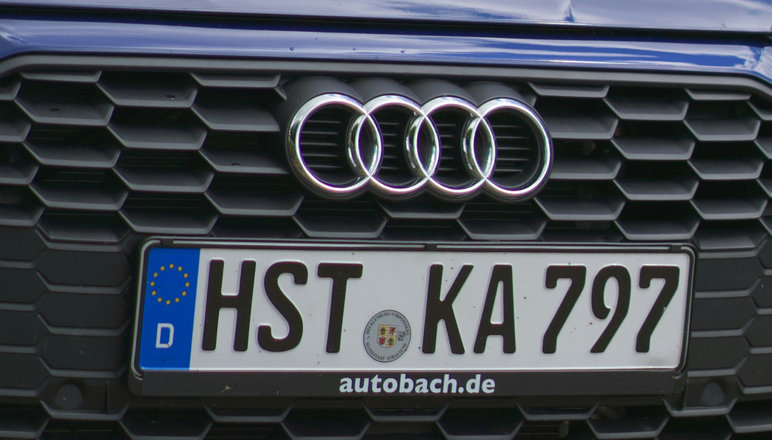
Is buying a German used car more of a triumph or a common trap by Czech motorists?
In 2019 alone, 177 261 used passenger cars were imported into the Czech Republic. A large proportion of them came from Germany, or at least that's what the dealers claimed. But more on that later.
👉 Advantages of buying a German used car
The living standards in Germany are generally higher than in Czechia and, as a result, Germans are more likely to buy new cars and more likely to get rid of used ones. At the same time, Germans have a reputation for being sticklers for order and are expected to take good care of their cars and service them well. In addition, the German road and motorway networks are one of the best in the world and the chassis of cars there suffers much less than, for example, here in the Czech Republic.
But it goes without saying that these benefits don't apply to every single used car from Germany. Even Germany has coastal and mountainous regions where salt damages vehicles. Germany too has some insensitive owners who don't give a damn about regular servicing or gentle car treatment. Germany also has reported instances of odometer rollback.
⚠️ Scams to avoid when buying a German used car
Due to the extreme popularity of buying a German used car, these cars are a frequent target of fraudsters. What scams can you encounter?
- Falsification of origin
This is a widespread trick used by fraudsters to increase the price of a used car. The fraudsters buy a car cheaply in Poland, for example, and on the way home they make a quick stop in Germany, where they register it for a few days before bringing the car to the Czech Republic. Then they present the German registration document (rather than the original Polish one) at the Czech office and the car gets registered as imported from Germany. - Concealment of past car damages
There is a lot of money to be made of cars that have been involved in serious accidents. And there are plenty of them on offer in Germany. A Czech trickster might buy a damaged German car for a fraction of its original price and then repair it cheaply (and often poorly) in the Czech Republic. Then the trickster offers the repaired car to local car sellers, who conceal past damage. A poorly repaired car that underwent a serious crash in the past does not meet safety standards and may not protect the crew sufficiently if another accident was to happen. And, unlike the popular perception, even relatively new cars oftentimes undergo total crashes that are then concealed by car sellers in the Czech Republic. - Odometer rollback
A device that calibrates odometers can cost thousands of CZK, but using this device to roll back odometers can earn fraudsters tens of thousands CZK. A common practice by fraudsters is to roll back the odometer just before the car gets registered in the Czech Republic. Due to this practice, the future owner will pay much more money for the car, and will have to pay more for service and maintenance. - Forgery of service books
Everyone wants a used car with a clear service history. Fraudsters know this very well and so they forge service books. They simply buy a clean service book and have a couple of stamps made by existing German car repair firms. Then they fill in the service records at will and - voilà - new service book is in the world!
💡 How not to get scammed?
1. Check the original car documents
Always ask the dealer for the original documents to check that the vehicle really came from Germany. The foreign registration certificate will tell you when the car was first registered in Germany. And the date of the first registration should correspond to the age of the vehicle!
2. Check the car's history by using Cebia Car History
Always ask the dealer for the vehicle VIN code. This will allow you to trace the car's history online, including odometer records or records of previous damage. Check the car's history on the web at Cebia.com.
3. Verify the authenticity of service book records
It is relatively easy to spot a fake service book by checking the records directly with the car repairer listed in the book. Call the car repairer and ask if the car has actually been serviced there.
4. Check the vehicle roadworthiness
Have the car checked by an independent car repair firm or a skilled mechanic before you buy it.
Buying a used car? ✅ Check its history!
Choosing the right used car can be a challenge. Many of them may have minor or major damage, some have a rolled odometer, and some may even be reported stolen.
That's why it's important to always check the history of the car you're about to buy. Fortunately, this can be easily done online at Cebia.com, the largest database of used vehicle records in Europe. On Cebia.com, you can check the following information (the scope of information varies for each vehicle):
- Odometer Check (Mileage History)
- Damage Check
- Theft Check
- Taxi Check
- Advertisement Photos and Records
- Service History
- Records from State Databases
- and much more
Check vehicle history:
💰 Tip: Want to get a 10% discount on Car History Report? Simply subscribe to our newsletter and we’ll immediately send the discount to your email -> Subscribe.