

 Czech
Czech Slovak
 German
 Romanian
 Ukrainian
 Italian
 French
 Dutch
Dutch Polish
How to pick a used car?
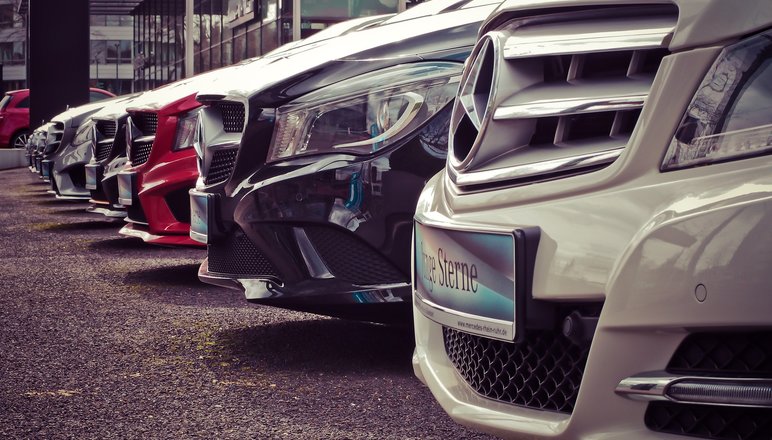
Choosing a used car is an important, yet a difficult task. What criteria should you consider when making the decision?
What car do I want vs. what car do I need
When choosing a car, it's important to decide what we want and need from the car. Will it be the primary family car for everyday driving? A second car in the family for an occasional shopping trip? A weekend car for fun rides?
In any case, we should choose with reason more than with emotion, because car ownership always means expense. The vehicle costs don't end with the car purchase, there are also subsequent maintenance costs, costs of fuel, tyres and much more to consider.
The price of the car
The price of a car depends on your financial means, of course. Include insurance, tyres, servicing, etc. into your budget. It is always better to have a financial reserve for emergencies.
- A new or newish car will lose value very fast - check the classifieds to see what prices that similar cars that are a few years older are selling for. It very much depends on the model and make. For example, luxury limousines lose value very quickly, while lower-cost cars have a more gradual decrease in value.
- A used car is cheaper and the drop in value won't be quite so steep in the future as it would be for a new car. However, a used car is a riskier purchase - it has a history that always needs to be thoroughly checked.
- The older the car is, the more likely it is to develop technical problems and serious faults. The reliability of used cars varies by make and model. Read used car reviews, which are full of valuable advice and recommendations.
- Operating costs are perhaps even more important than the purchase price. Calculate how much your chosen car will cost you to maintain annually. Take into account fuel costs, tyre prices, spare parts prices, length of service intervals and hourly service rates.
- For a used car, do not forget to incorporate the first service into your cost calculations - it's always a good idea to change the oil, filters, check the condition of the brakes, engine wiring, etc. Prepare at least 10% of the purchase price for the first service. Do not ignore or underestimate the first service after buying a used car!
Choice of make and model
For many of us, choosing a car brand is a purely emotional matter. But unless you're buying a weekend leisture car where emotions are paramount, we recommend choosing wisely. Even for relatively little money, you can get a good-looking used premium car. However, this usually comes with premium servicing costs.
When making your choice, also bear in mind that you will want to sell the car well one day. The choice of engine, colour and equipment is therefore important. The more popular the configuration, the easier the sale will be.
Durability of a used car
- The level of car durability is often associated with a brand, or a particular model or engine. Recommendations from your mechanic or various online forums can make the choice easier, but they are not bullet-proof.
- In fact, the previous owner of a used car is the biggest contributor to its durability. Unfortunately, the behaviour of the previous owners towards the car cannot be easily ascertained when buying a car. It is always necessary to carry out a thorough physical inspection of the car before buying it. If you don't understand cars, use the services of a well-known mechanic or car expert who can find out where the problem areas are on the vehicle.
- An important prerequisite for high durability of the car is keeping up with regular service appointments and prescribed servicing of the car's operating parts. So look for a car with a service book, ideally with full documentation of the service and MOTs carried out.
- If you meet directly with the car's owner when you buy it, you will want to know details about maintenance, how and where the car has been serviced. Ask for service invoices and a service book.
Petrol, diesel or other fuel?
If you're not set on a particular fuel, then this simple description can make the choice easier:
Petrol car
You drive relatively little and drive fairly short distances (up to 20-30,000 kilometres per year) - petrol engines are less susceptible to repeated engine starts and shorter driving distances. So if you will be using the car all year round for normal daily driving (school, shopping, work) then a petrol engine is a better choice.
Higher average consumption - petrol engines have higher consumption than diesels (if you compare cars with the same engine size).
Generally lower servicing costs - routine maintenance and replacement or repair of engine parts worn out by car operation is generally cheaper with petrol.
Diesel car
You'll be driving s lot and using the car for long-distance drives (ideally 30,000 kilometres a year or more) - diesels take longer to warm up than petrol engines, and more frequent starts don't do them much good either. They are therefore better suited to longer motorway journeys and are often used as company vehicles.
Lower average consumption - the main advantage of diesel engines is their lower consumption compared to petrol engines (when comparing cars with the same engine capacity or power).
Generally higher servicing costs - diesel engines are generally more expensive to service, routine maintenance and consumable parts are usually more expensive than petrol engines.
If you're considering other fuel alternatives for your car, then there are now hybrid petrol/electric drives, pure electric cars, or cars with a combined gas/petrol drive - CNG (i.e. natural gas) or LPG (sometimes also known as propane-butane in the olden days) is used as the gas. If you choose one of these fuels, then be mindful of and compare first and foremost the initial purchase cost of the car, the availability of the fuel (i.e. the number and density of refuelling or recharging stations in your area), the cost of servicing, durability, potential safety issues in the event of accidents, etc.
How to choose a car at a car dealership
- Before visiting a car dealership, look for dealer ratings and reviews online.
- Listen carefully to the salesperson when viewing the car and ask all your follow up questions immediately. A good salesperson should always be able to give you a clear and concise answer.
- If the salesperson acts confused or nervous, then beware.
- Watch to see if she or he points out things related to the operation and servicing of the car, as this may also give you an indication of the quality and reliability of the car.
- To help you make a safe purchase, the following might help:
- Online check of vehicle history using Cebia Car History.
- Czech origin – if the car was originally purchased as new in the Czech Republic, it is usually possible to find out more information about the car.
- Complete documentation for the vehicle - service book, service records, technical certificate, etc. - go through all these documents carefully and ask the salesperson about any ambiguities you find. Don't be afraid to verify the information from the documents - e.g. you can check the information from a service book by calling or mailing the garage where the car was serviced according to the book.
- Physically inspect the car - ideally with a car expert or at a garage with the option of inspecting the chassis and engine.
If you are buying a car from a private person, have your model contract of sale ready.
Don't forget to check the car and the seller
- It's important to check the car's history before you inspect it. Has it been totaled in the past? Does it have a rolled odometer? You can easily check everything online using Cebia Car History.