

 Czech
Czech Slovak
 German
 Romanian
 Ukrainian
 Italian
 French
 Dutch
Dutch Polish
Where do I find the VIN code
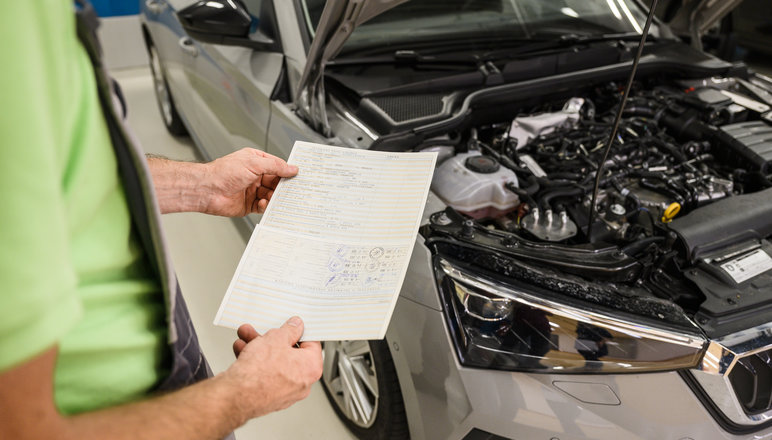
The VIN can be found in multiple areas of the car. Read where you can find it and how you can check it online.
🔢 What is a VIN code
VIN (Vehicle Identification Number) is a 17-digit code that uniquely and unambiguously identifies a vehicle. It is essentially an ID of each vehicle.
The VIN is embossed in several different locations on the vehicle and is stamped at least once into the body or the frame. The location of the VIN code varies from onemake and model of car to the next. Also, the technology of VIN stamping varies.
🔍 Where to find the VIN code
In car documents
The VIN is always listed in the vehicle's technical certificate and you can also find it in the insurance documents, service book, etc.
On the vehicle
There is no one specific place on the car where you will always find the VIN, each manufacturer may put it in a slightly different place. But most often you will find the VIN:
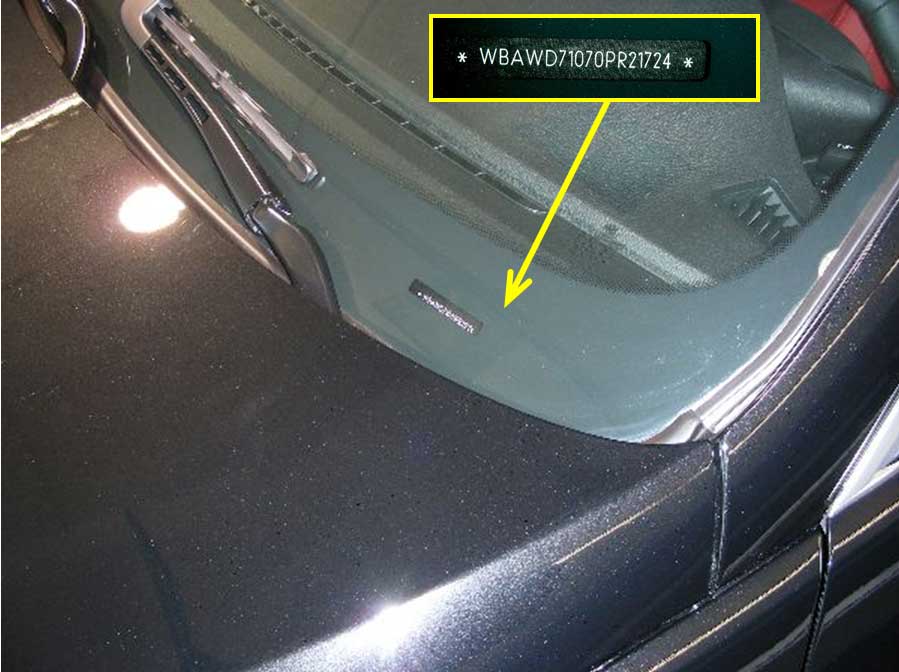
- Under the windshield
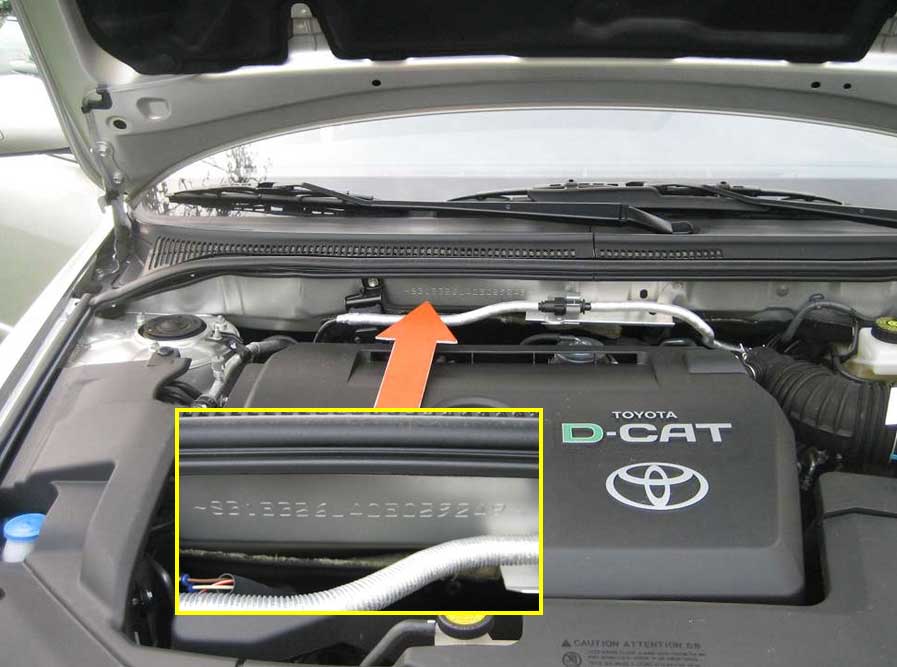
- In the engine compartment of the vehicle
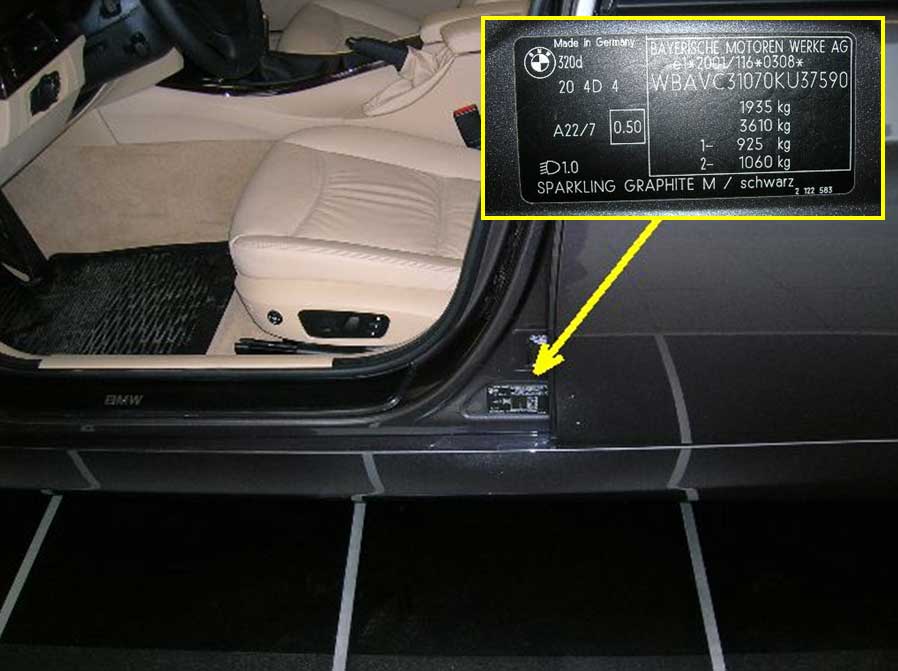
- On the type plate on the front door or pillar
What is a VIN good for?
The VIN can be used to find out all the important information about the vehicle. For example, when and where it was manufactured, in which colour and trim, for which country, etc. At the same time, the VIN can be used to check the vehicle's history, including mileage, previous damage or servicing.
When looking up vehicle details and past records, all you need to know is the vehicle's VIN code. Simply enter the VIN into Cebia Car History and within a few moments you can view complete information about the car and its history online.
Buying a used car? ✅ Check its history!
Choosing the right used car can be a challenge. Many of them may have minor or major damage, some have a rolled odometer, and some may even be reported stolen.
That's why it's important to always check the history of the car you're about to buy. Fortunately, this can be easily done online at Cebia.com, the largest database of used vehicle records in Europe. On Cebia.com, you can check the following information (the scope of information varies for each vehicle):
- Odometer Check (Mileage History)
- Damage Check
- Theft Check
- Taxi Check
- Advertisement Photos and Records
- Service History
- Records from State Databases
- and much more
Check vehicle history:
💰 Tip: Want to get a 10% discount on Car History Report? Simply subscribe to our newsletter and we’ll immediately send the discount to your email -> Subscribe.